SEO vs GEO: 5 Key Differences for AI Search
Discover SEO vs GEO differences. Learn how AI search changes digital strategy and optimize for both traditional and AI-powered search results.

Dilshad Akhtar
Last updated: 6 May 2026
12 min read
TLDRQuick Summary
- •SEO focuses on getting clicks to your website through search engine rankings
- •GEO focuses on getting AI chatbots to mention your brand or content directly
- •SEO brings high-volume traffic while GEO brings less but more intent-driven visitors
- •Both strategies share common principles like quality content and user intent
- •Start with SEO as foundation, then layer in GEO strategies for future-proofing
In todays rapidly evolving digital landscape, understanding the difference between traditional SEO and emerging GEO strategies is becoming crucial for businesses. While Search Engine Optimization focuses on getting your website to rank in traditional search results, Generative Engine Optimization aims to get your brand mentioned in AI-generated answers. This shift represents a fundamental change in how users discover and interact with content online.
What is SEO?
Search Engine Optimization, commonly known as SEO, is the practice of improving your website to appear higher in search engine results when people search for topics related to your business. The primary goal is to get users to click on your links and visit your website. SEO has been the cornerstone of digital marketing for years, helping businesses increase their visibility and attract organic traffic.
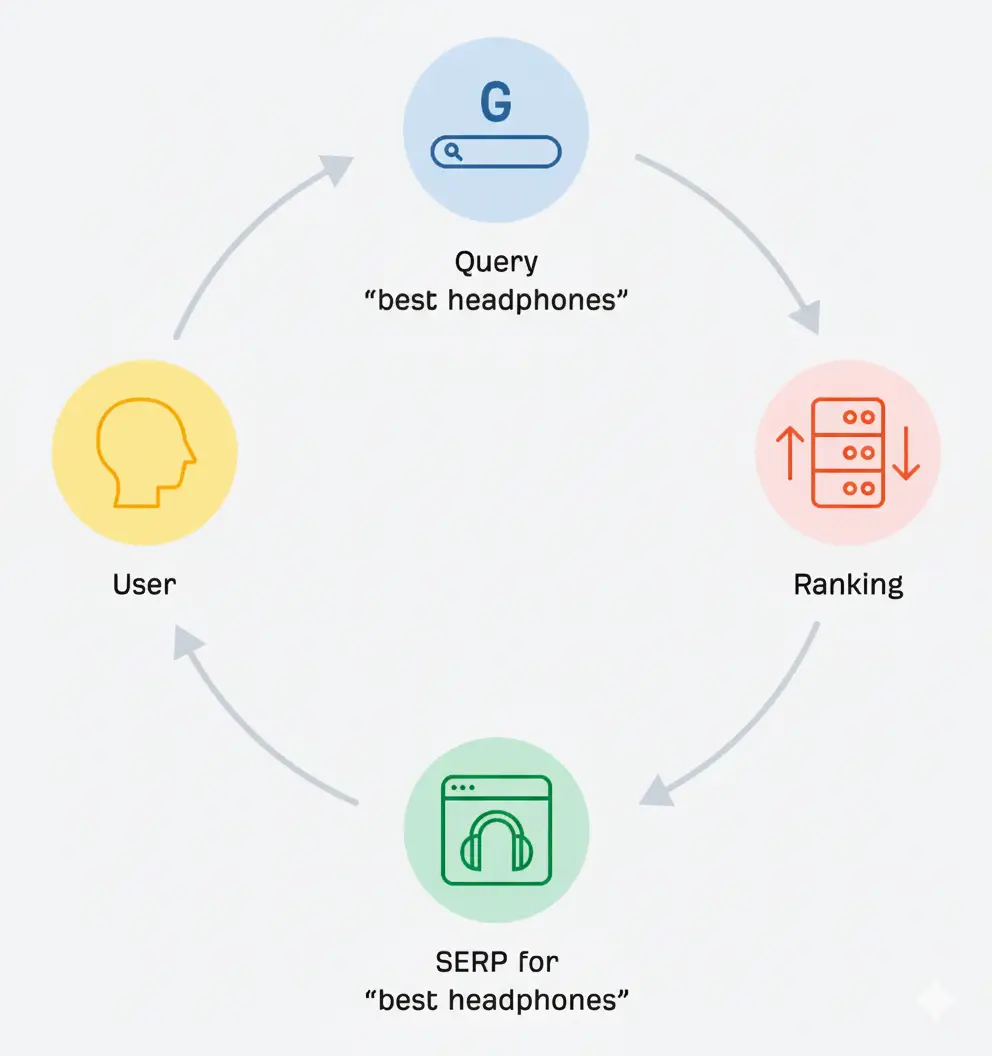
Search engines work through three main processes: crawling, indexing, and ranking. Web crawlers browse the internet following links and collecting webpages, then these pages are analyzed and stored in a massive database called the search index. Finally, when someone performs a search, the engine looks through this index and uses complex algorithms to sort results by relevance.
Effective SEO strategies include keyword research, creating helpful content, earning trusted backlinks, and ensuring your site is fast, secure, and user-friendly. These elements work together to improve your website's visibility in traditional search results.
What is GEO?
Generative Engine Optimization, or GEO, is the process of getting your brand mentioned, cited, and accurately represented in AI-generated answers. This includes results from AI assistants like ChatGPT, Google's AI Overviews, and other AI-powered search tools. Think of GEO as SEO for the age of artificial intelligence.
AI search works differently from traditional search engines. With tools like ChatGPT, responses can be generated from patterns learned during training or by searching the web and summarizing information from various sources. This fundamental difference in how answers are created requires a new approach to optimization.
Key GEO tactics include getting your brand mentioned across industry sites and review platforms, creating AI-preferred content like how-to guides and comparison pages, including specific facts and statistics, building presence on platforms like YouTube and Reddit, using structured information formats, and keeping content fresh and updated.
Key Differences Between SEO and GEO
SEO Gives You a Link, GEO Gives You a Mention
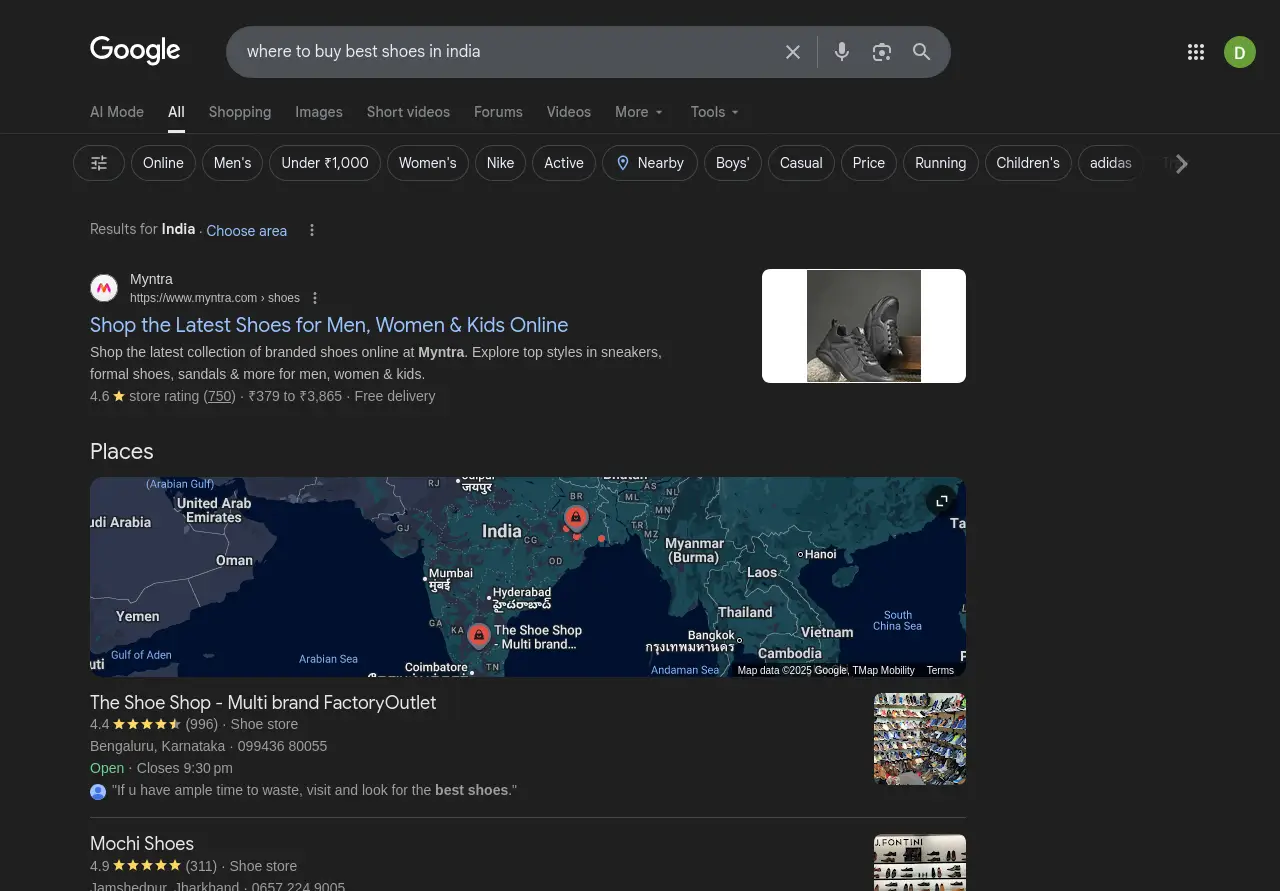
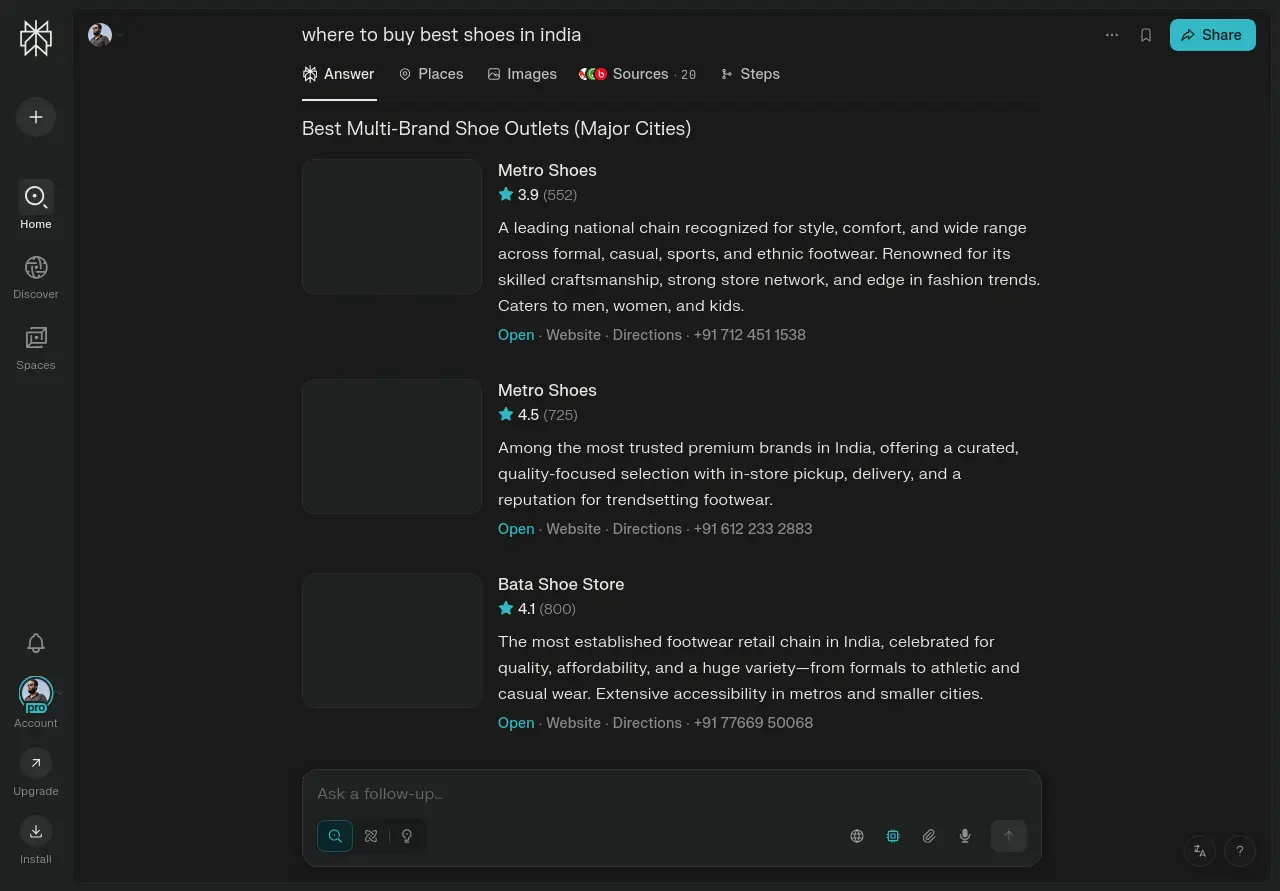
The most fundamental difference between SEO and GEO lies in how your brand appears in search results. In traditional SEO, your website appears as a clickable link in search results, encouraging users to click through to your site. With GEO, however, your information or brand appears directly inside the AI's answer, often without any need for the user to visit your website.
When links do appear in AI-generated answers, they're typically less visible than in traditional search results. They might appear as small contextual links next to specific terms, in side panels, or at the bottom of the AI response. This difference in presentation fundamentally changes how users interact with your brand and content.
Traditional Google Search Results
AI Search Results
User Journey: Clicks vs Zero-Click Searches
In traditional SEO, the user journey typically follows a clear path: they search for something, see your link, click to visit your website, and then consume your content. This journey has been the foundation of search marketing for decades, with each step carefully optimized to guide users toward conversion.
With GEO, the journey is often much shorter and may end without any click at all. Users ask a question, the AI provides an answer using your information, and the user gets what they need without ever visiting your site. This "zero-click" search phenomenon is becoming increasingly common as AI tools get better at providing comprehensive answers directly.
Research shows that users click on search results only 8% of the time when AI summaries appear, compared to 15% without them. That's nearly 50% fewer clicks, highlighting the dramatic shift in user behavior that GEO represents.
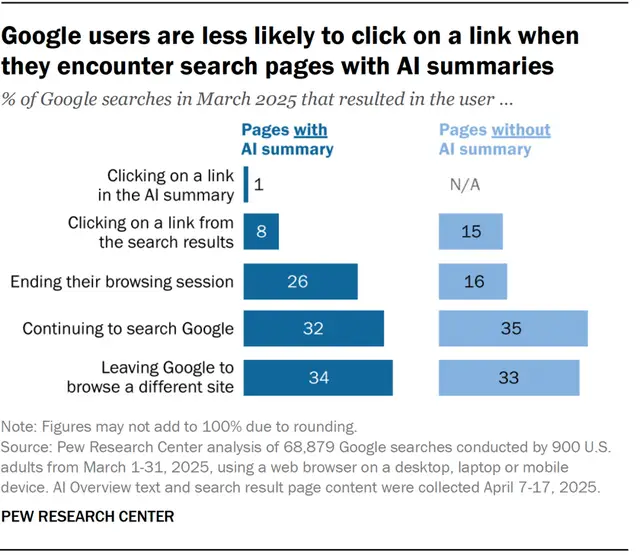
Pew Research: Click rates drop nearly 50% when AI summaries appear in search results
Measuring Success: Clicks vs Visibility
The metrics for measuring success differ significantly between SEO and GEO. In traditional SEO, success is measured through metrics like keyword rankings, backlinks, organic traffic, and share of voice. These metrics are all part of what we might call "click economics" - they focus on getting users to click through to your site.
For GEO, success is measured differently. Instead of tracking clicks, you focus on metrics like brand mentions in AI answers, citations when your content is referenced, AI referral traffic, and AI share of voice. This approach represents "visibility economics," where the goal is to increase how often your brand appears in AI responses, even if users never click through to your site.
The shift from click-based to visibility-based metrics requires a new way of thinking about digital marketing success and ROI.
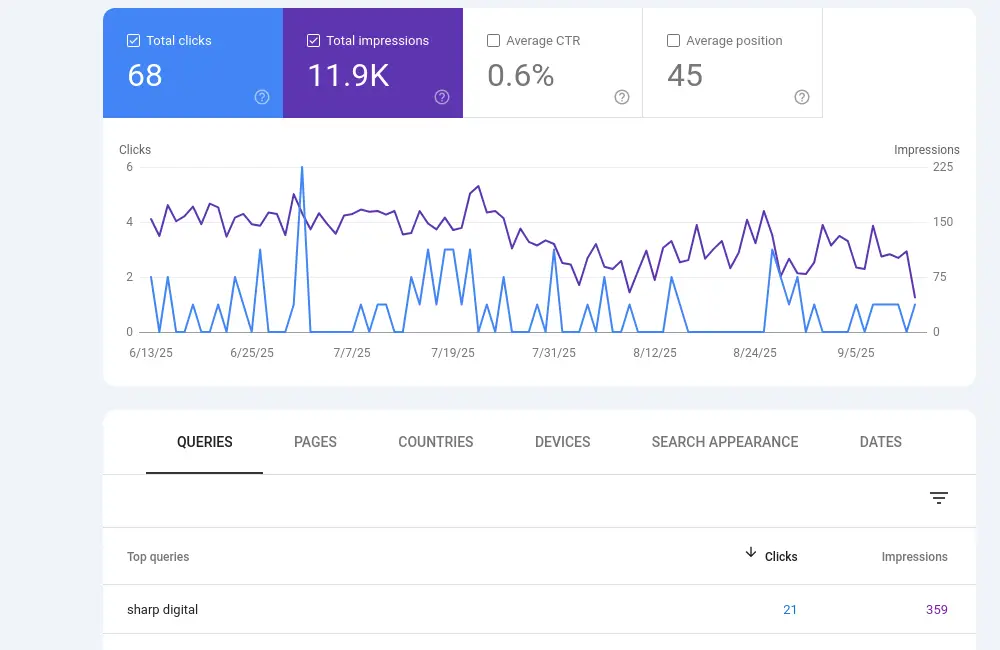
Search volume trends showing the evolution of digital marketing metrics
Mention Sources: Your Site vs Third-Party Sites
Another key difference is where your mentions come from. In traditional SEO, your own website is the primary asset - you optimize your pages to rank as links in search results. The focus is on making your site the best possible resource for specific queries.
With GEO, however, most brand mentions in AI responses originate from third-party sites rather than your own domain. Industry rankings, "best of" lists, review platforms, PR coverage, and customer case studies often dominate as the top sources AI assistants rely on. This makes GEO a more interdisciplinary effort than SEO, requiring coordination between marketing, PR, and influencer outreach.
These mentions don't even need to be linked - AI can pick up unlinked references just as easily, making broad visibility across the web more important than ever.
Traffic Quality: Browsing vs Intent
The quality and nature of traffic from AI search differs significantly from traditional organic search. Visitors from AI tend to view fewer pages but spend slightly more time on each page. They also have higher bounce rates, suggesting they arrive with a clear, specific goal in mind.
AI search also drives users to specific types of pages more often than organic search. Homepages, product pages, and tools receive more AI traffic, while organic search brings more visitors to informational and international pages.
Most importantly, AI traffic can convert at a much higher rate. In some cases, it's been shown to convert 23 times more than organic search. Despite being just a small percentage of overall traffic, AI visitors can generate a disproportionate amount of conversions and revenue.
Key Similarities Between SEO and GEO
Great Content is Your Best Bet
Despite their differences, both SEO and GEO depend fundamentally on having useful, high-quality content. Search engines and AI tools are both designed to bring people the information they're looking for - the difference is in how that information is delivered. Search engines point users to links, while AI often gives them the answer directly.
Building topical authority through comprehensive content remains crucial for both approaches. When you create content that thoroughly covers a topic, you increase your chances of ranking well in traditional search and being cited in AI responses. The foundation of quality content serves both strategies equally well.
It's All About User Intent
Both SEO and GEO focus on understanding what people are really looking for and providing the best answer to their needs. Whether someone searches Google for "best project management software" or asks ChatGPT something more specific like "What's the best project management tool for a team of 30 under $50?", the underlying intent doesn't change.
Users are looking for the top options, the reasons behind those recommendations, and clear comparisons to help them make decisions. Understanding and satisfying this intent is crucial for success in both traditional and AI-powered search.
Trust and Reputation Matter Equally
Both Google Search and AI assistants rely on external content to generate answers, which means they face the same challenge: deciding which sources to trust. Your reputation as an expert becomes valuable for both SEO and GEO strategies.
Brand authority is a major factor in GEO, just as it is in traditional SEO. Branded mentions across the web show a strong correlation with visibility in AI Overviews. The more people talk about your brand online, the more likely AI is to feature you in its responses.
This focus on trust and authority means that building a strong brand reputation remains one of the most effective strategies for digital visibility, regardless of how search technology evolves.
Your Website Still Needs to Work Properly
Both search engines and AI assistants rely on crawlers to fetch and process pages from your website. If they can't access or interpret your content correctly, neither SEO nor GEO will work effectively.
AI systems may struggle with heavy JavaScript implementations, but they typically respect robots.txt rules and other technical SEO elements. Keeping your site technically sound ensures that both traditional search engines and AI tools can access and understand your content.
Maintaining good site health, fast loading speeds, and proper technical infrastructure remains essential for digital visibility in the age of AI search.
SEO or GEO? Start with SEO, Then Layer in GEO
Think of SEO as your foundation and GEO as the upgrade. You need SEO first because it's established, drives most web traffic, and provides the base that AI systems often learn from. Traditional SEO isn't going away - it remains essential for driving traffic and building brand awareness.
But GEO matters too, because AI search is growing, and the "zero-click" trend is accelerating as more AI Overviews roll out. Studies show that a significant percentage of users trust AI assistants for search and discovery new products through these platforms.
The best approach is to build a strong SEO foundation first, then layer in GEO strategies to future-proof your digital presence. This dual approach ensures you're capturing traffic from both traditional and AI-powered search sources.
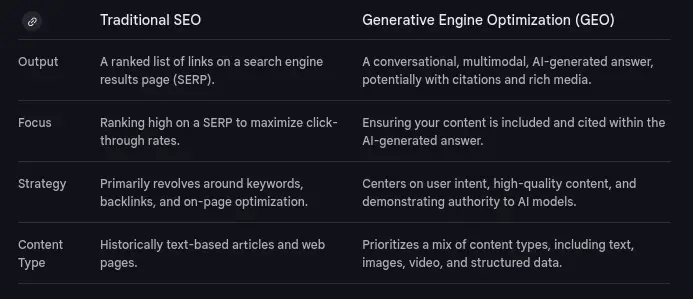
Build your SEO foundation first, then add GEO strategies for comprehensive digital visibility
SEO vs GEO: Side-by-Side Comparison
To better understand the differences between these two approaches, let's compare them directly across key aspects:
| Aspect | SEO | GEO |
|---|---|---|
| Goal | Get clicks to your website | Get AI to mention your brand/content |
| Where you appear | Blue links in search results | Inside AI-generated answers |
| Primary mention source | Your own website pages and content | Third-party sites (industry lists, reviews, PR) |
| User journey | Search → Click link → Visit site | Ask → Read AI summary → May never visit |
| Traffic volume | High | Low |
| Conversion quality | Standard rates | Can be much higher (up to 23x) |
| Success metrics | Rankings, backlinks, organic traffic | Mentions, citations, AI referral traffic |
| Foundation | Essential starting point | Built on top of SEO; future-proofing |
As you can see, while there are significant differences between SEO and GEO, they share many underlying principles. The most effective digital strategies will incorporate both approaches to maximize visibility across all types of search platforms.
Preparing for the Future of Search
The digital landscape is evolving rapidly, with AI-powered search becoming increasingly prevalent. While this might seem daunting, the core principles of good digital marketing remain unchanged. Quality content, user intent, and brand authority continue to be the driving factors behind visibility, regardless of the platform.
At Sharp Digital, we understand that navigating this new landscape requires expertise and adaptability. Our team stays ahead of the curve, continuously updating our strategies to ensure your brand remains visible across both traditional and AI-powered search platforms.
Whether you're looking to strengthen your SEO foundation or develop a comprehensive GEO strategy, we're here to help. Our data-driven approach and deep understanding of both traditional and emerging search technologies ensure that your digital marketing efforts deliver measurable results.
Ready to future-proof your digital presence? Contact us today to learn how we can help you succeed in both the current and future search landscapes.
Conclusion
The digital marketing landscape is evolving with the rise of AI-powered search. While traditional SEO remains essential for driving traffic to your website, GEO represents the next frontier in digital visibility. By understanding both strategies and implementing them effectively, you can ensure your brand remains visible regardless of how users choose to search for information. Remember that quality content and user intent remain at the heart of both approaches.
Related Articles
Discover more insights about web development and digital marketing